Leonard Botezatu

I love learning from other's mistakes, for some strange reason learnings stick with me for longer rather than reading about successes. So I'll be blunt and say: I don't care about your success! Tell me about that time when you failed, what you have learned from that experience. THAT is really valuable! Failure feels a bit more measurable, success is often subjective.
The problem is, people are reluctant to share failures in public for good reasons, but I think if framed right, failure can be 10 times more impactful than any success story.
I want to take you on a different kind of journey — a journey back in time. It's fascinating! With the right cues and imagination, it can feel just like time travel.
Sometime in 2006...
Tech and innovation is booming. Just look at this quote from a NYT article: "Time moves on, and circumstances change; by the end of year, January's articles look practically prehistoric. Heck, in the tech industry, what you wrote last week looks ancient."
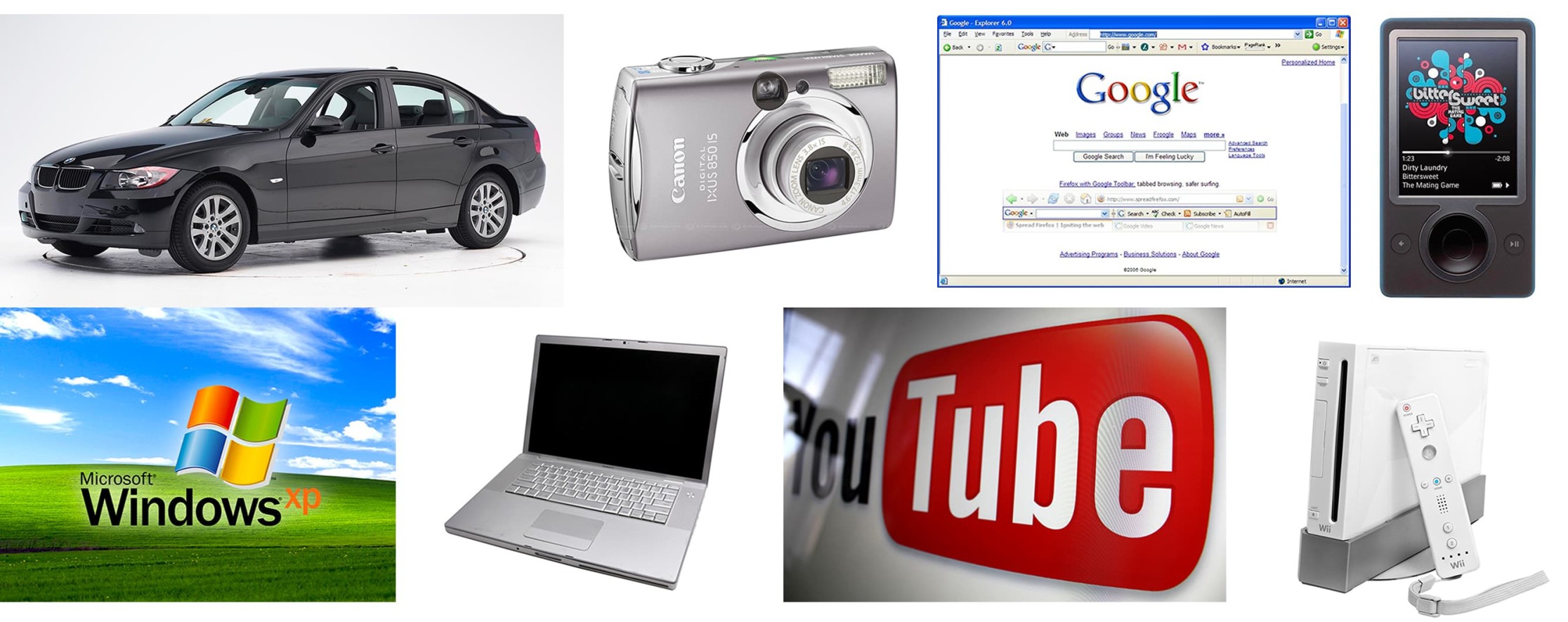
So here we are in 2006... this year Facebook just launched, Google bought YouTube, Windows XP is still rocking on most PCs on the planet, the gaming console war is on: Sony just launched the Playstation 3, Nintendo the Wii, Microsoft just announced the Zune, Apple just launched their first Intel-based MacBooks - deviating from the PowerPC processors and nearly 2/3 of internet users were running Internet Explorer at the end of 2006. It was amazing.
“Connecting People”
One industry that felt unstoppable was the mobile phones industry. Cell phone makers shipped more than 1 billion handsets for the first time in 2006, driven by a strong holiday season in which shipments rose nearly 20 percent to a record 295 million devices. Nokia just published their annual report:
"Nokia shipped 105.5 million handsets in the fourth quarter (2006), up 26 percent from year-earlier levels, to expand its share of the (global) market to 35 percent."
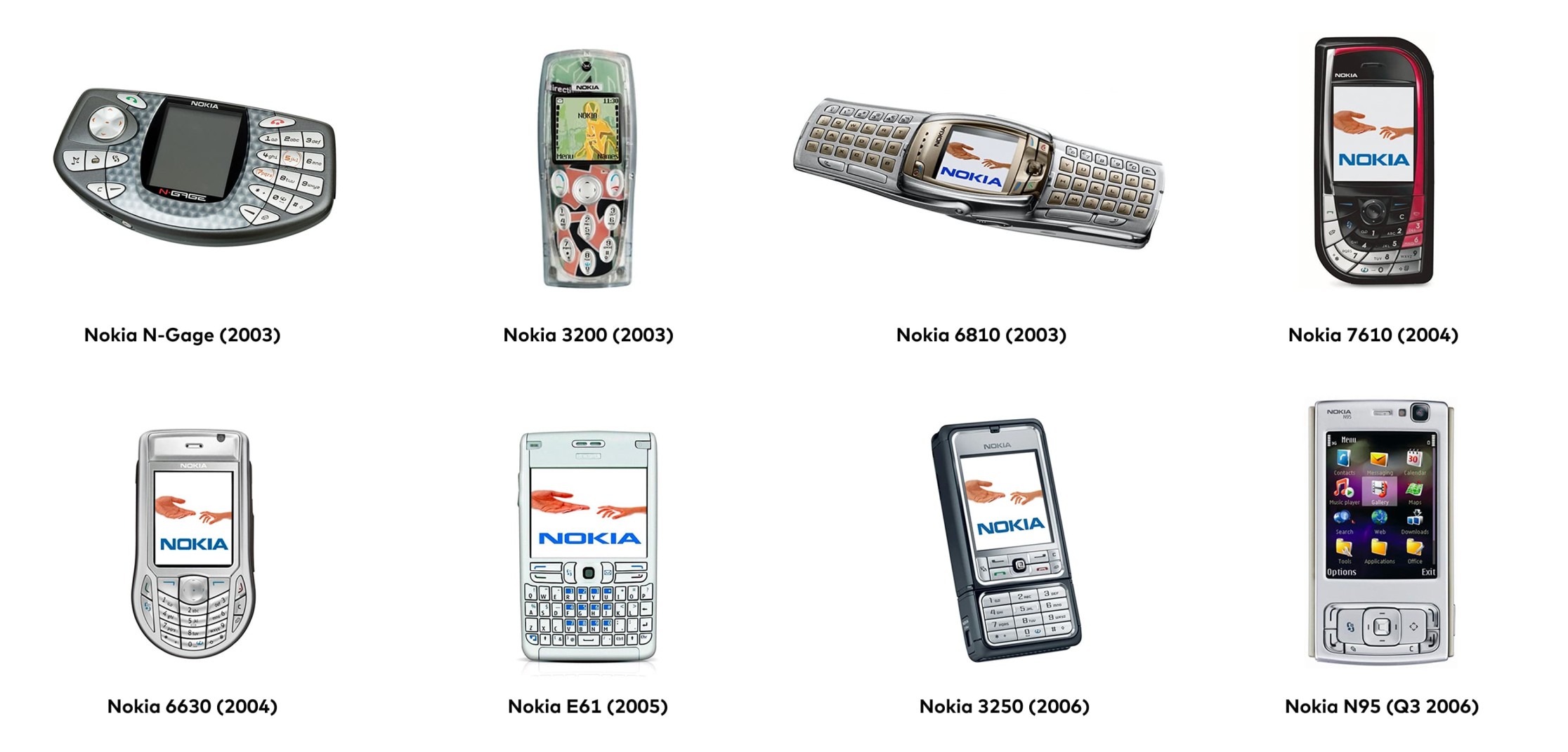
Every year, since the 90's, Nokia would launch and expand the mobile portfolio with new and innovative phones. Just look at these examples from 2003 to 2006. But arguably the most anticipated phone of 2006 was the Nokia N95. A technological marvel promising to be more than just a simple mobile phone to quote the product tagline "It's what computers have become" or "Comes with Unlimited potential". As 2006 was wrapping up, rumors started to appear that Apple was working on a "device combining the functionality of an iPod and a mobile phone".
January 9, 2007
At MacWorld in January 2007 - probably one event that will be remembered for decades to come, Steve Jobs takes the stage saying "Every once in a while, a revolutionary product comes along that changes everything ..." - He jokes saying is introducing 3 new devices:
- Widescreen iPod with touch controls
- Revolutionary mobile phone
- Breakthrough Internet communication device
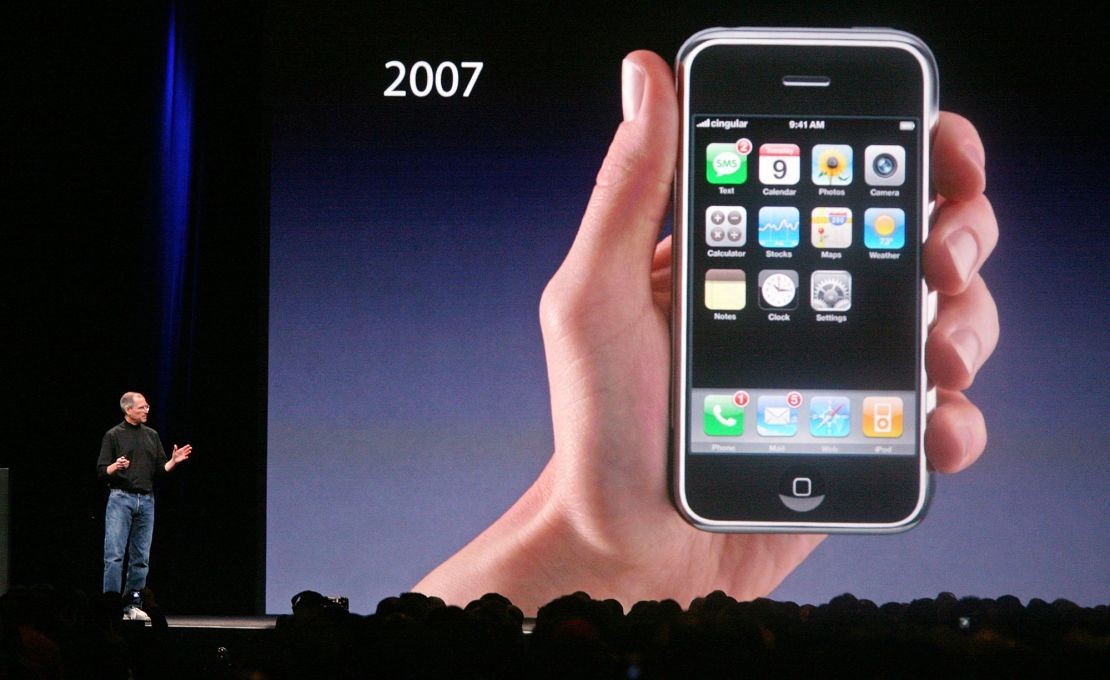
The iPhone is announced. We all know what follows. One note here after re-watching this recently I noticed how Jobs talked about the User Experience and Design before the technical specs as he introduced the iconic device - it was what made the iPhone special (I’ll refer to this later). RIP Steve.
The irresistible force paradox
Because the online digital world is a magical place, an intriguing document called "Apple iPhone was launched, presentation" has surfaced recently. It's a reaction from Nokia (remember 35% global market share) on what Apple announced on the 9th January - an internal document not meant for public view... until now.
I think this document is important because we can see the thinking process of a leading global company that will soon cease to exist… Think about it.
What went wrong is a subject of debate for people not close to Nokia Corporation (like yours truly), but one thing is sure: the document reveals that while some people within the company recognised the potential threat posed by Apple, but their warning was largely ignored at the management level.
From this point of view, a big shout-out to all the people who put this document together (see page 1) demonstrating rigor and the ability to envision what will happen in the short-medium term: market share erosion. Of course market erosion was the best case scenario… but who would have thought.
Here are some insights from the document that made sense at the time and proved to be right in the short-medium term:
- "User interface has been a big strength for Nokia – consumer research indicates this is in decline. Urgent action needed to prevent further erosion of this position."
- "The 1% volume share target could translate into 4% value share, taking ~ 30% share of the >300 € price band"
- "clearly THE launch for Apple this year"
- "The new user interface may change the standards of the superior user experience for the whole market"
- "However, it is not likely that Apple would be selling its OS platform to others any time soon"
- "iPhone will also hurt SonyEricsson’s momentum and coherent music strategy" (in 2008 Sony Ericsson will formally cease to exist: https://en.wikipedia.org/wiki/Sony_Mobile)
- "Expect RIM and Palm to suffer – their stock prices have been most badly beaten" (RIM is now a software business and Palm stopped making phones in 2008)
- "Distribution limitations may restrict impact of Apple iPhone, but device continues to have significant disruptive potential."
...significant disruptive potential.
So this is how I would answer the famous irresistible force paradox: What happens when an unstoppable force meets an immovable object. There are no certainties, only probabilities. And the team who put the Nokia report together estimated like a Swiss watch the impact on their business the new iPhone will have. The lesson? If your organization has individuals with the ability to envision the future, people with vision—don’t ignore them. Take the time to ask them how and why they think the way they do - it might be valuable... even save your company.
Today
I want to end this post with one observation. We now know that not being innovative enough was Nokia’s demise. Although it was the user experience that won the customer, at the end of the day we can still talk about innovation through the UX lens. But in 2025 mobileOS(s) UI/UX are so mature, it's almost a customer expectation regardless which device you buy. Fast forward to today, let’s have a look at iPhones launched in the past 4 years:
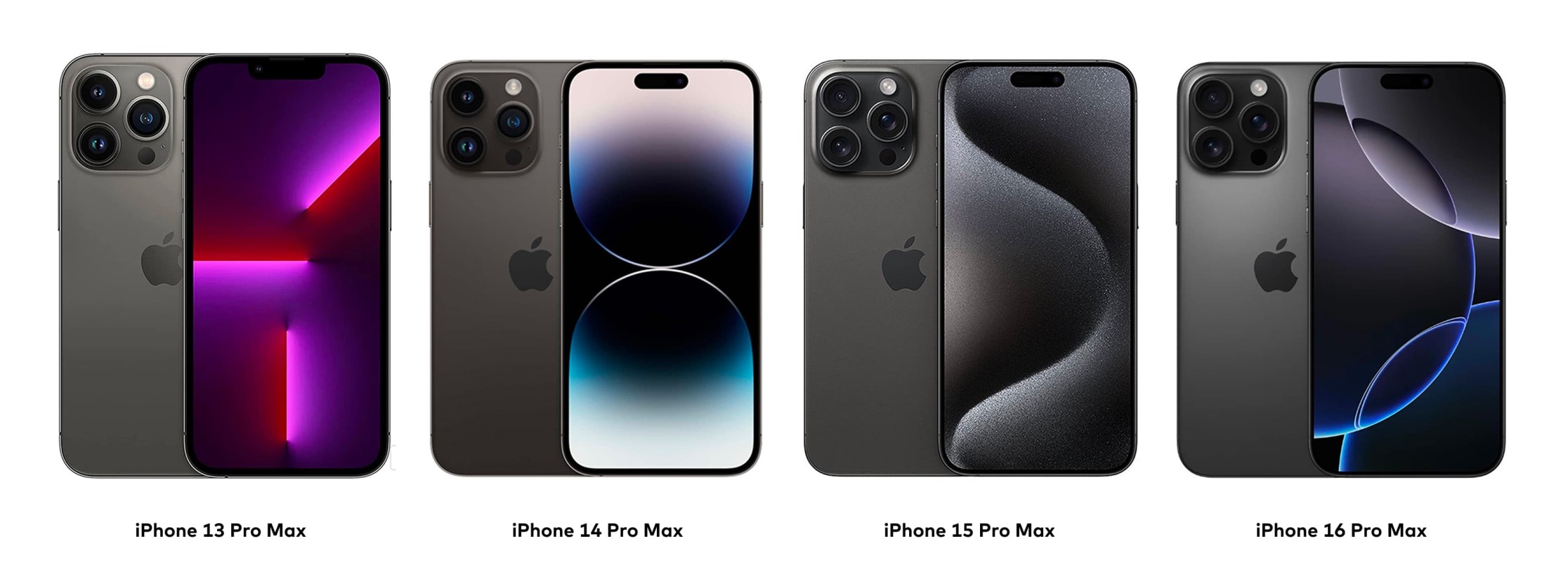
If you cover the model numbers with your hand, you wouldn’t know which is which. How about the specs? Well have a look here https://www.apple.com/iphone/compare/?modelList=iphone-14-pro-max,iphone-15-pro-max,iphone-16-pro-max It’s very difficult to see any spec differences, especially between 14 Pro Max and 15 Pro Max - they're almost identical and yet 1 year apart.
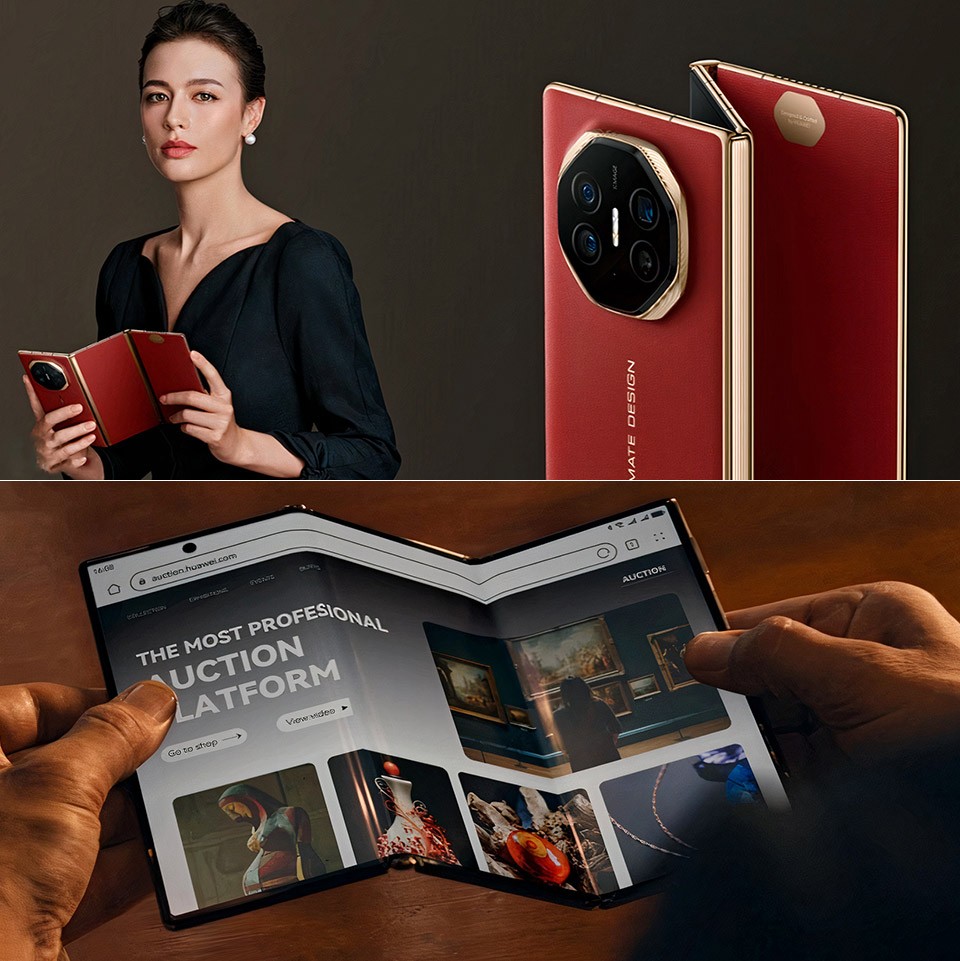
Finally, here is the latest Huawei Mate XT.